Day 3: Rapids, Dams & 87 Kilometres
A broken jetty, the first dam portage, grade 1 rapids, and 38 kilometres to reach Muang Ngoi. Total journey complete.
A broken jetty, the first dam portage, grade 1 rapids, and 38 kilometres to reach Muang Ngoi. Total journey complete.
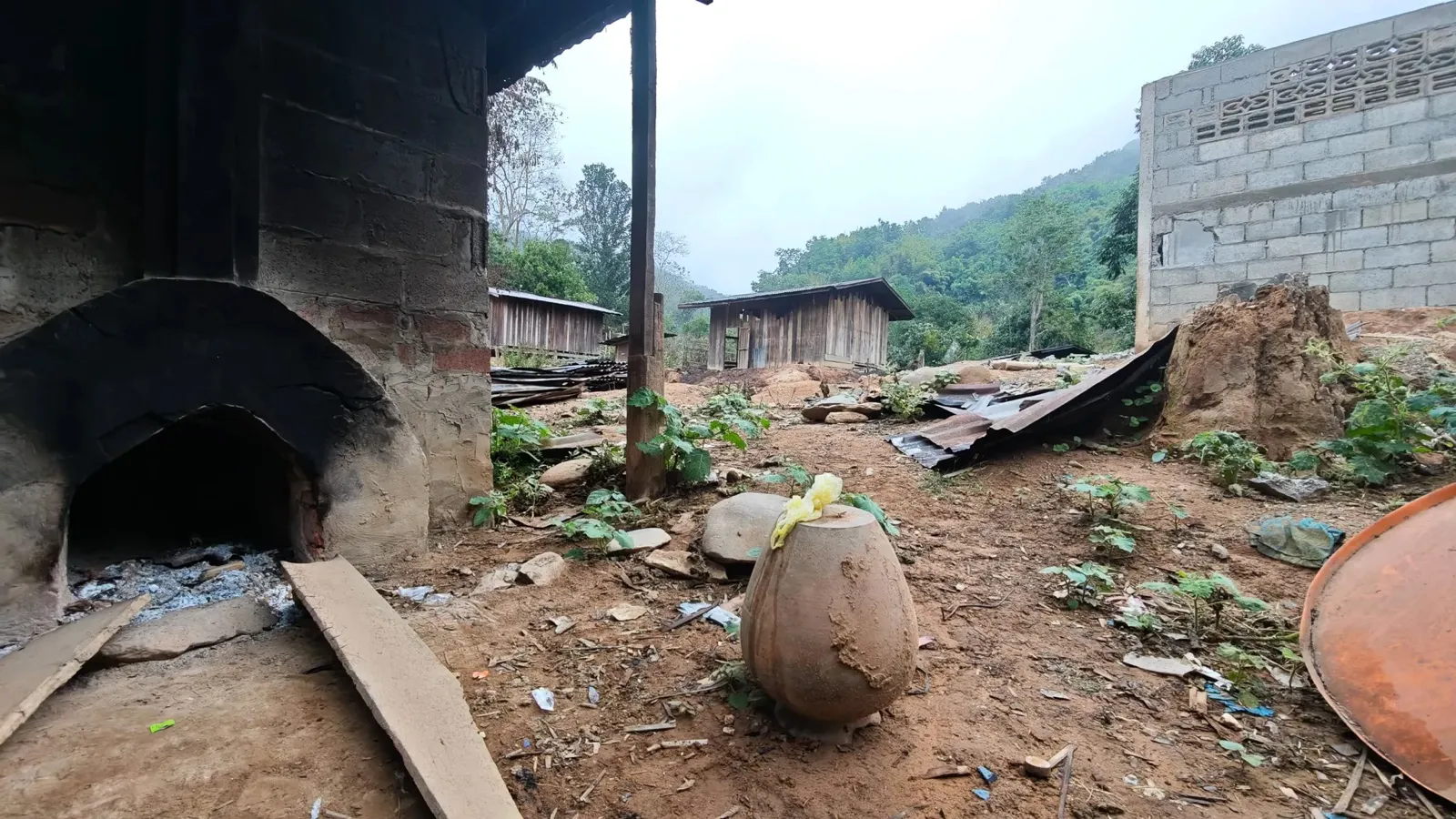
Leaving the Settlement
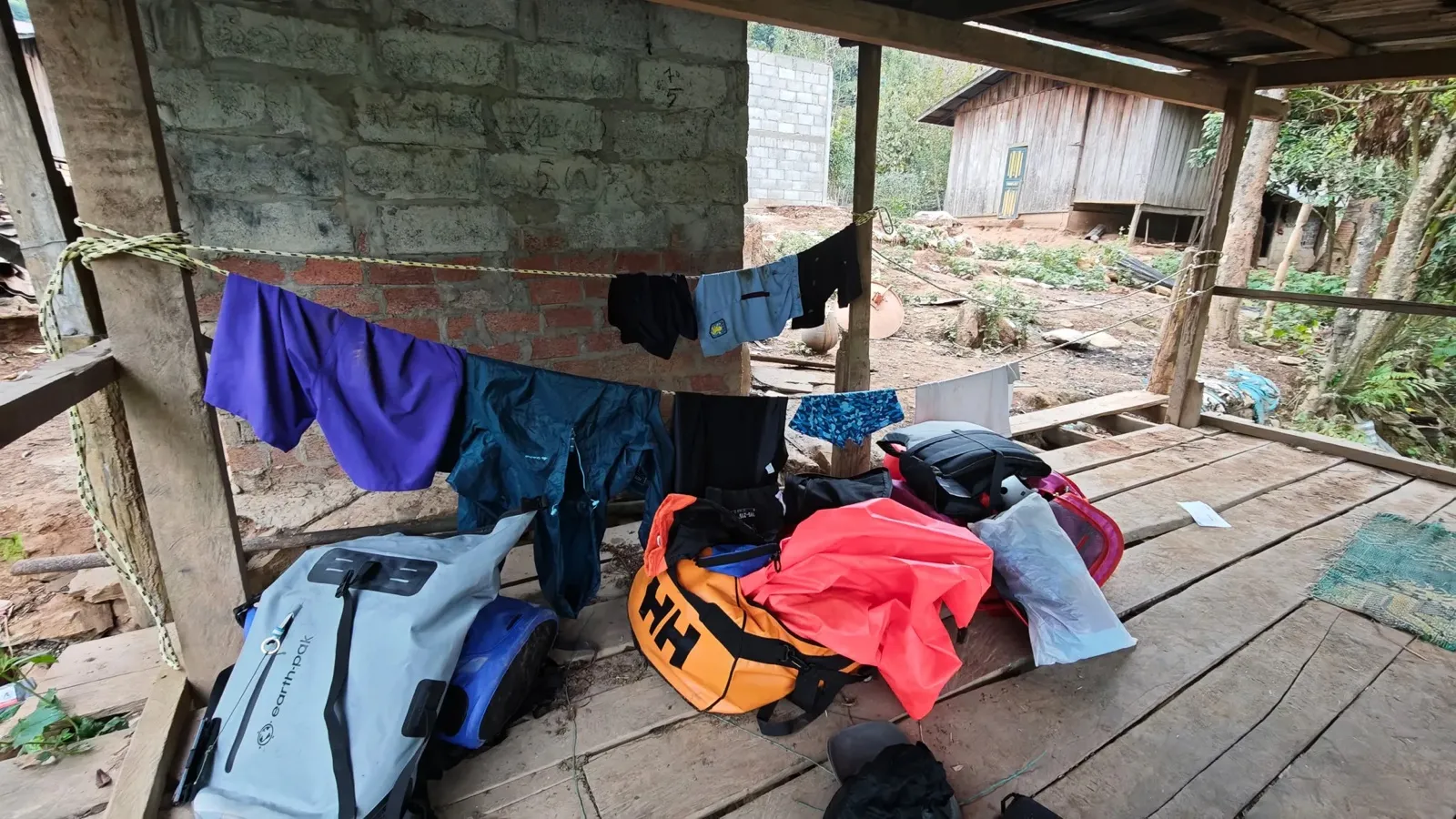
We woke on the concrete floor of the abandoned shelter. The fire had gone out. The oxen were still there. We packed the packrafts, dried our shoes in whatever sun the morning offered, and pushed off into the Nam Ou for the last time.
Today would be our longest day — 38 kilometres, nearly double what we’d done before. The river had other plans too: our first dam, our first rapids, and a broken jetty that introduced me to the water faster than intended.
Village After Village
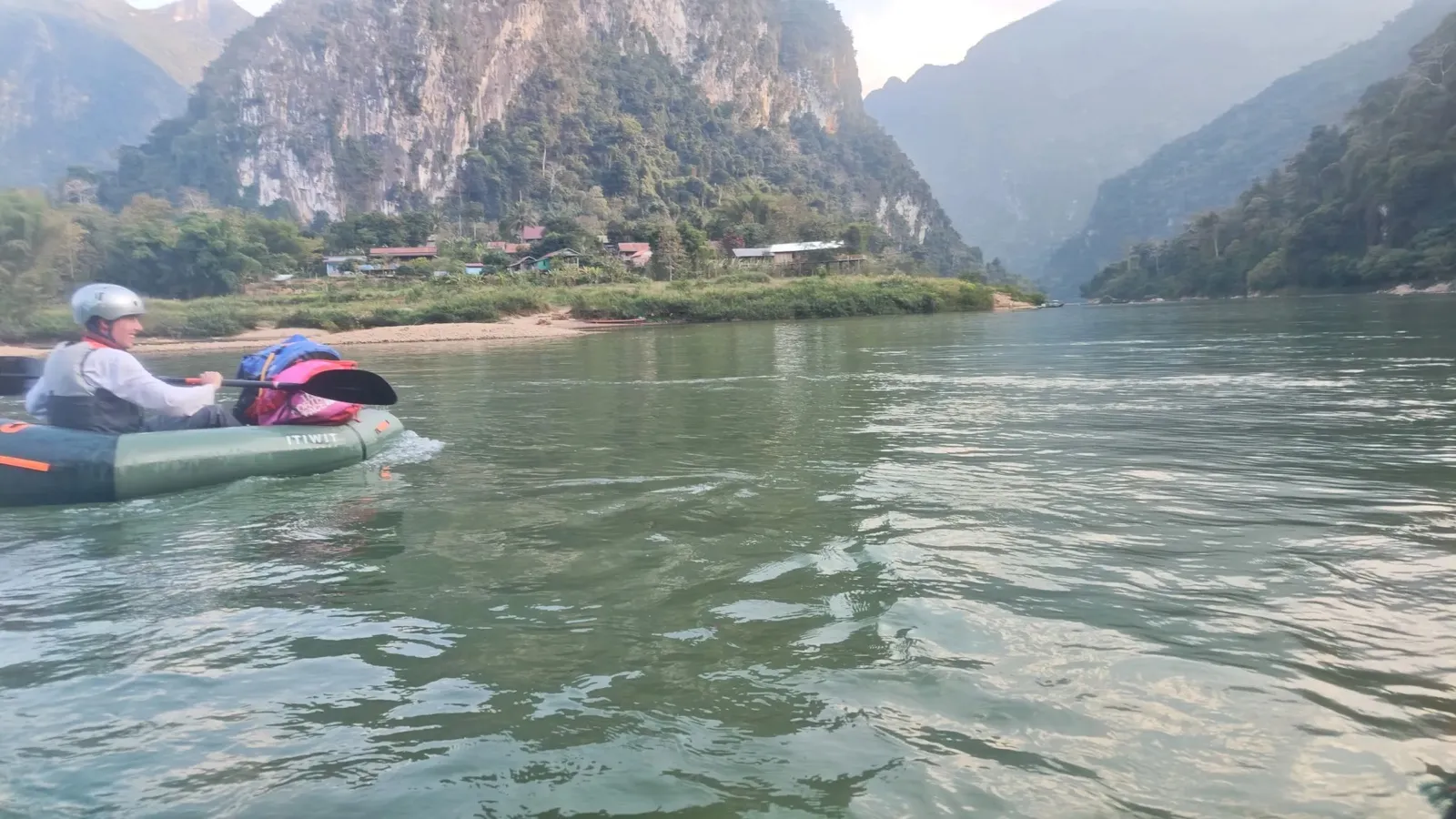
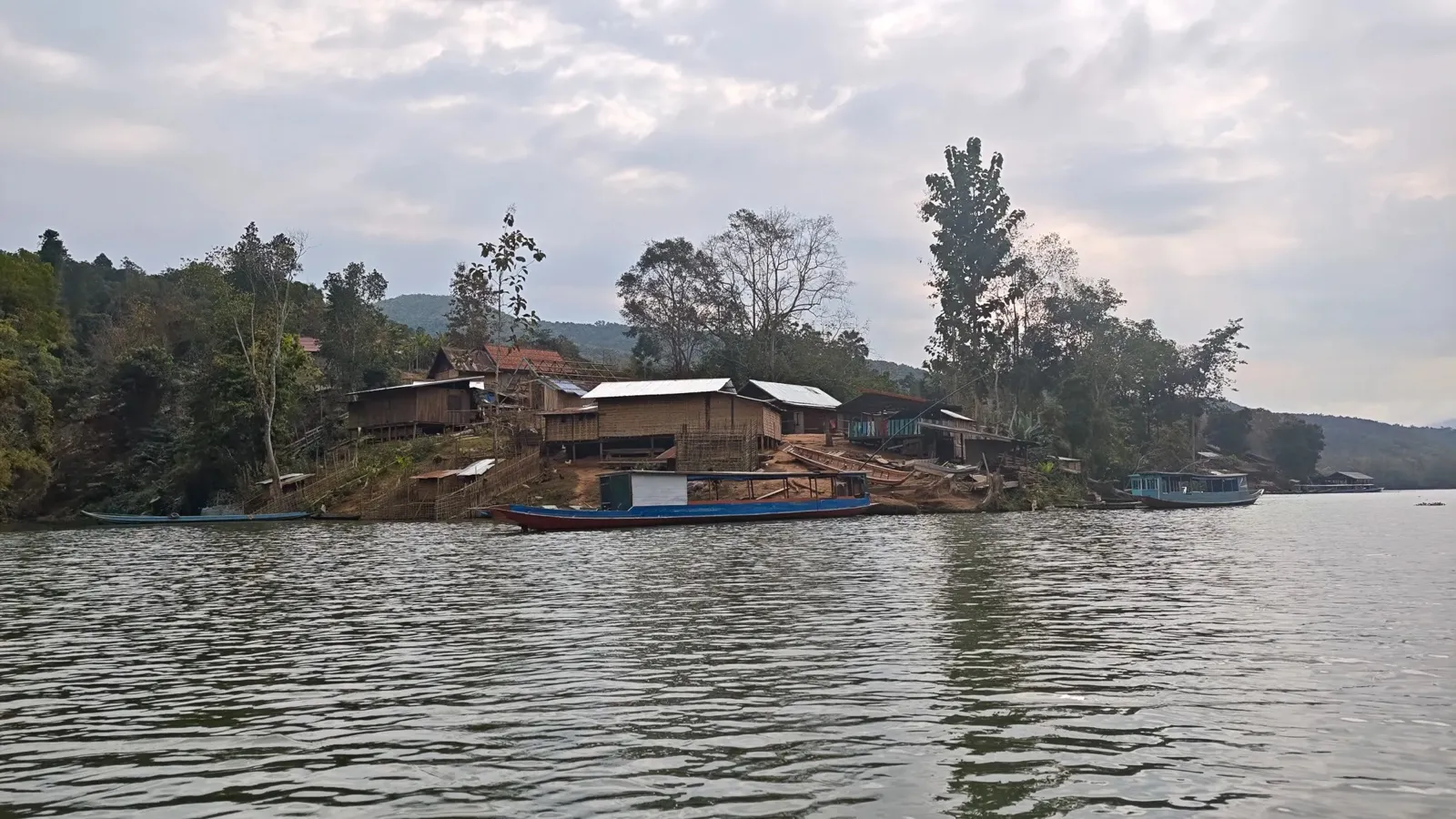
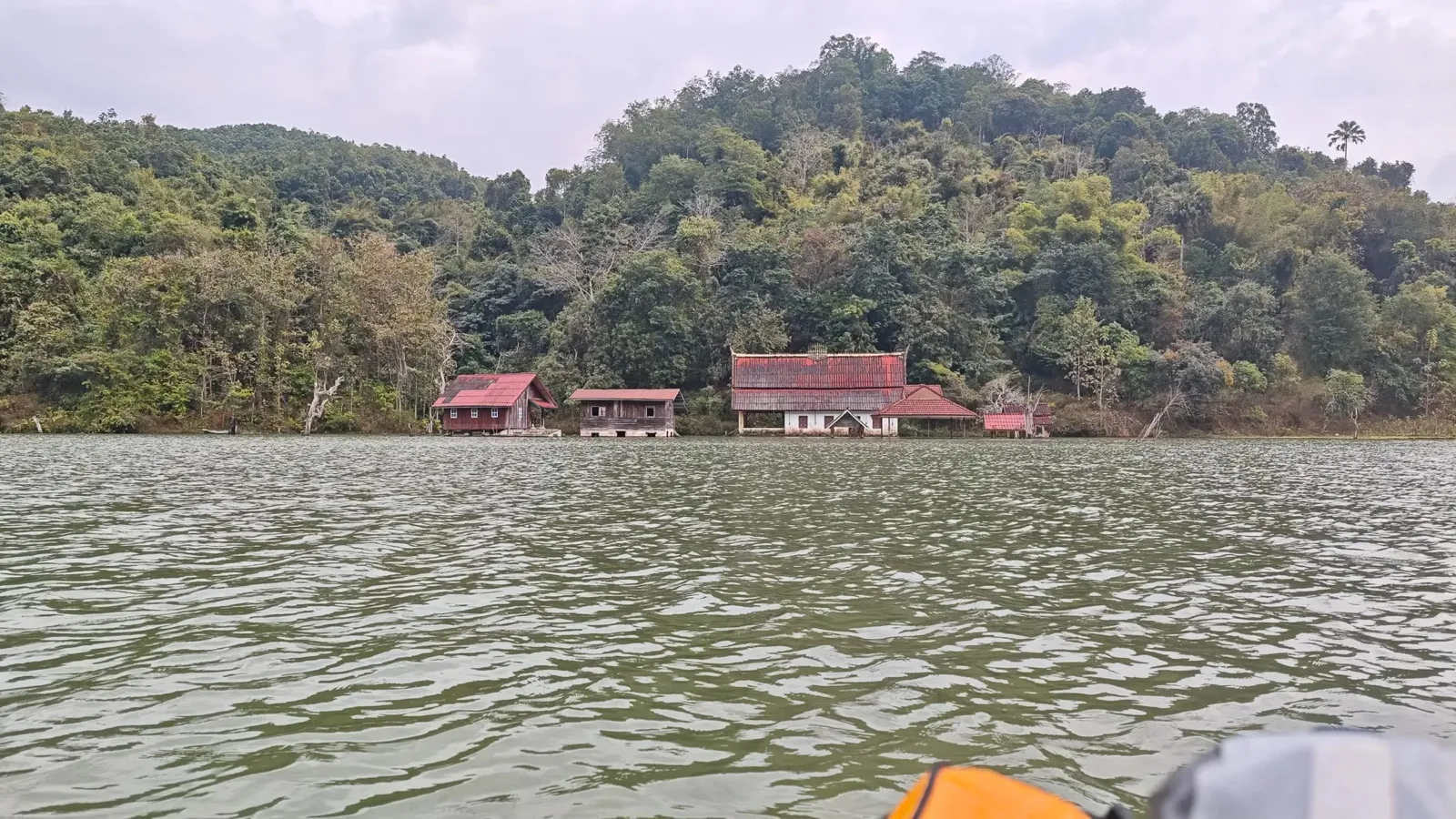
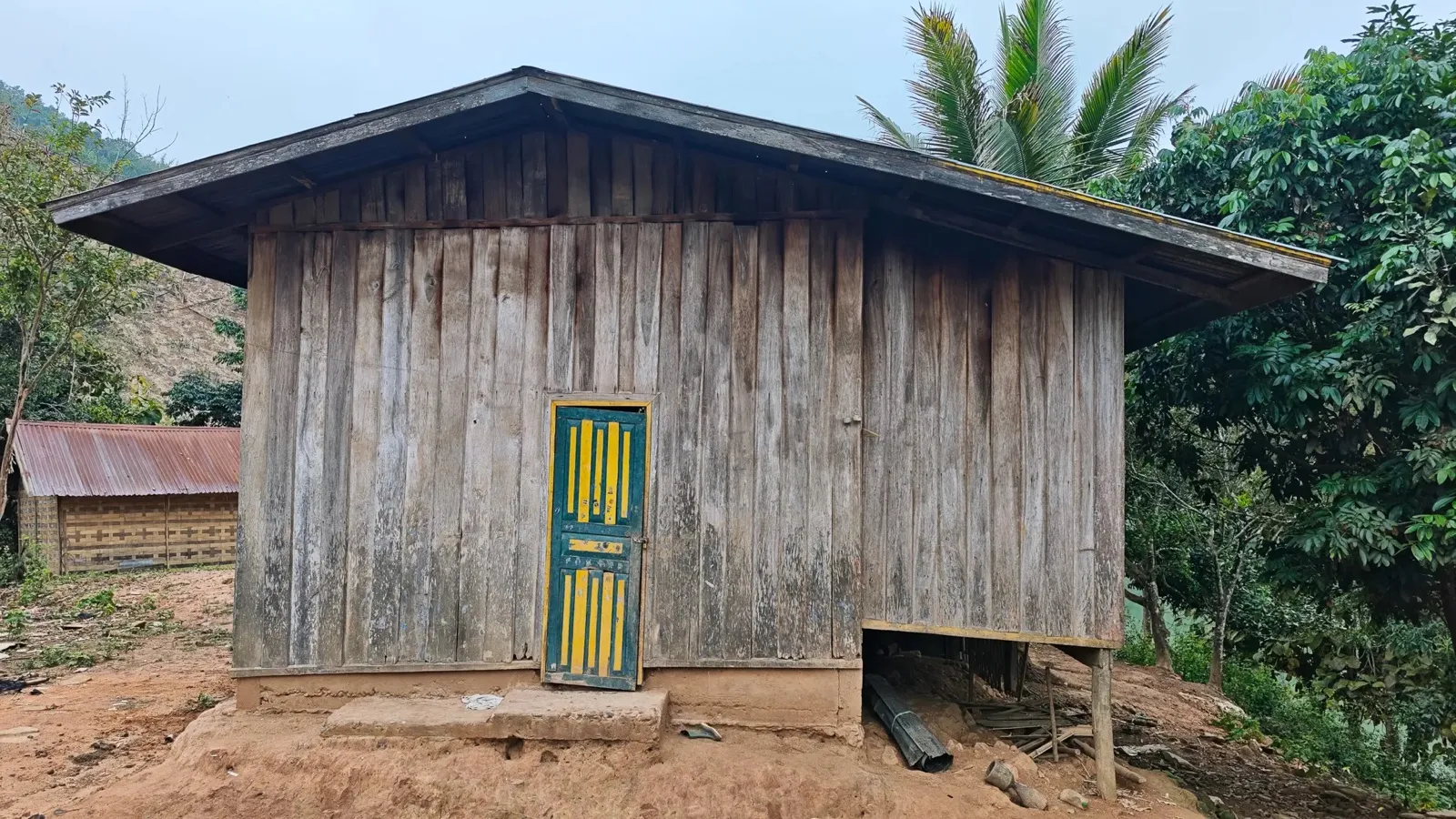
The Nam Ou runs 448 kilometres through Phongsaly and Luang Prabang provinces. On day three, we saw more of it than the previous two days combined. Village after village slid past — stilt houses with red roofs, longboats pulled up on the mud, thatched shelters on the hillsides. Each one a place we could have stopped. Each one a community that’s lived on this river for generations.
From a packraft sitting six inches above the waterline, you see villages the way they were designed to be seen — from the river. The houses face the water. The boats are the front doors. The road, if there is one, is an afterthought.
Portage
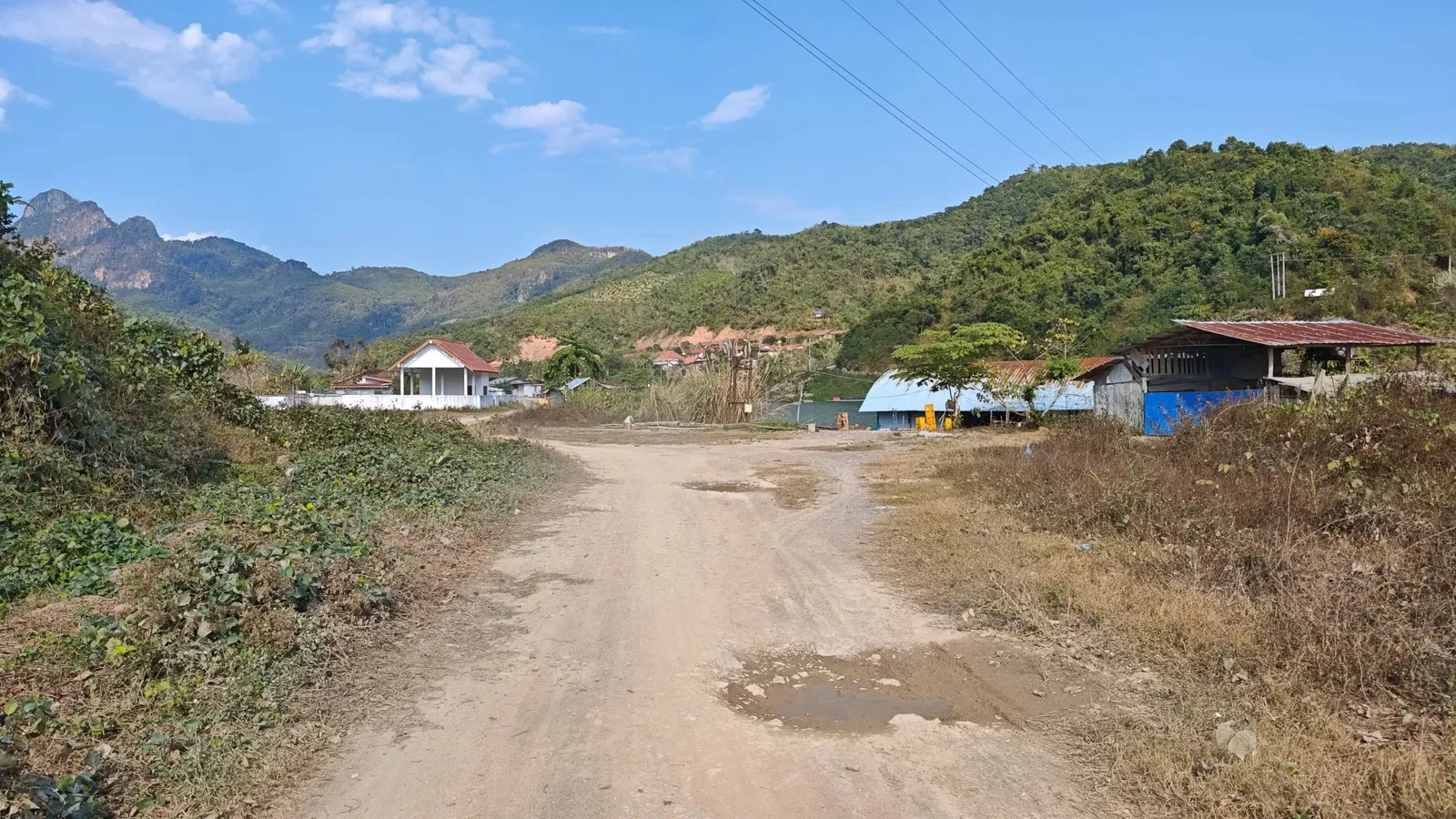
The Nam Ou cascade’s seven dams have turned stretches of free-flowing river into reservoirs. When you hit one, that’s it — you unkit everything, deflate the packrafts, strap the gear to your back, and find a way around. Ours was a songtaew — a converted pickup truck — that bumped us down a dirt road to the base of the dam. Then you inflate, repack, and start again.
It breaks the rhythm. It also reminds you that this river is contested ground — between the people who’ve fished it for centuries and the hydropower companies who’ve dammed it for export.
Karst Cliffs & Muang Ngoi
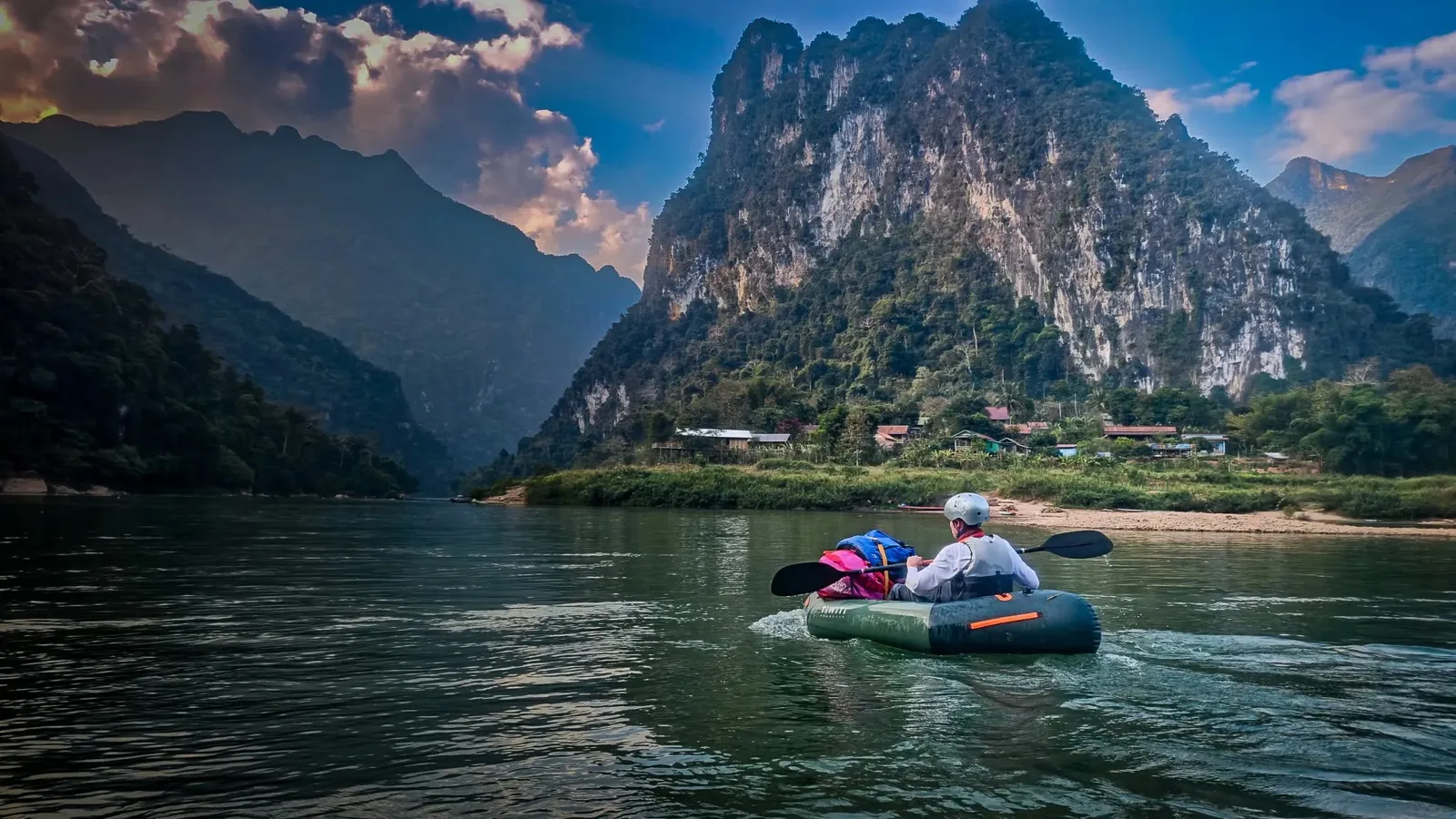
The last stretch was the most dramatic. The limestone karst mountains appeared — vertical cliffs rising straight from the water, the kind of geology that makes you stop paddling and just look. The light was dropping, the cliffs were turning amber, and the river was pulling us towards Muang Ngoi.
Muang Ngoi feels like an island — you can only reach it by boat. There’s a tourist strip, but beyond that it’s just river and mountains and the sound of something that isn’t traffic. We pulled the packrafts onto the shore and stood there for a moment. We’d made it.